
Finch’s Crisis and Search for Staying Awake
All the Bright PlacesThis thread traces Theodore Finch’s recurring states of disappearance, his attempts to control them, and the crisis that ends in his death.
increasing Bearing strength in each event
 decreasing
Bearing strength in each eventdecreasingThe Bell Tower Ledge
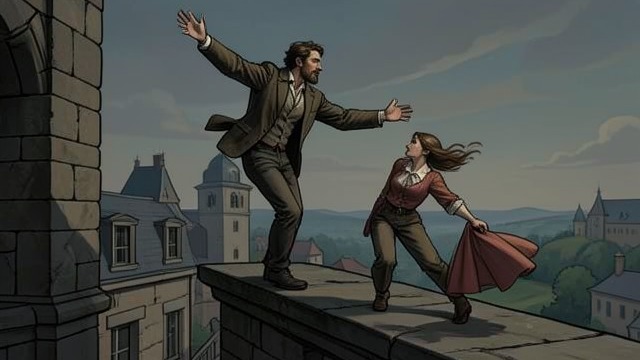
The Bell Tower Ledge
An unstable return
Theodore Finch stands on the school tower ledge after a prolonged absence, describing himself as newly awake but empty.
Control and interruption
He calls the scene a test of control rather than a settled decision to die. Helping Violet Markey down interrupts his own attempt to decide what happens next.
The moment establishes the danger beneath his jokes and the effort required to remain present.
A Promise to Stay Awake
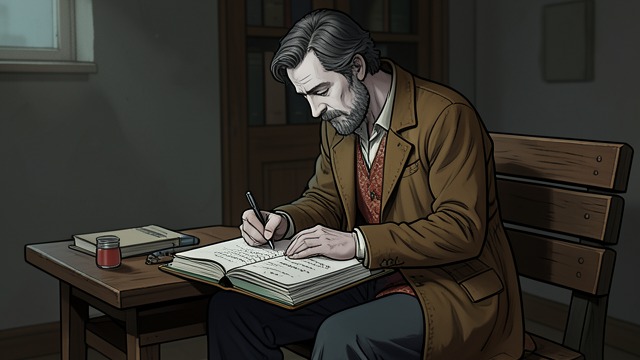
A Promise to Stay Awake
Naming the pattern
Theodore Finch describes stretches of blank sleep-like absence as the Asleep and the periods between them as the Awake.
Self-made safeguards
He writes lists, runs, plays guitar, plans outings, and seeks water to keep himself engaged with the world. These are improvised defenses, not a treatment or cure.
His promise to stay awake gives him purpose while also revealing how frightened he is of losing control again.
The Blue Hole Descent
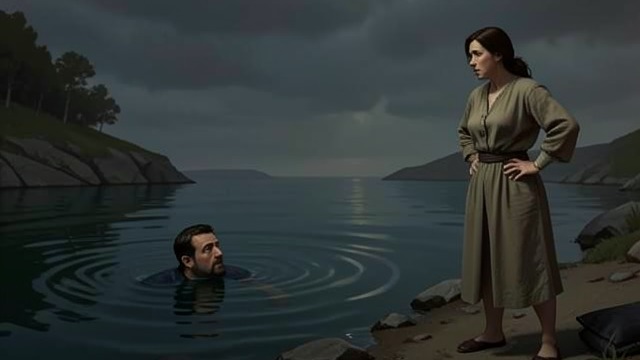
The Blue Hole Descent
Seeking the bottom
At Blue Hole, Theodore Finch describes water as a refuge that quiets his thoughts. He dives deeper while Violet Markey waits above.
A dangerous return
He stays underwater too long, and Violet searches for him in panic. He finally surfaces, but the episode exposes how easily his fascination with water can become life-threatening.
The scene turns his private coping strategy into a danger witnessed by someone who loves him.
The Closet Retreat
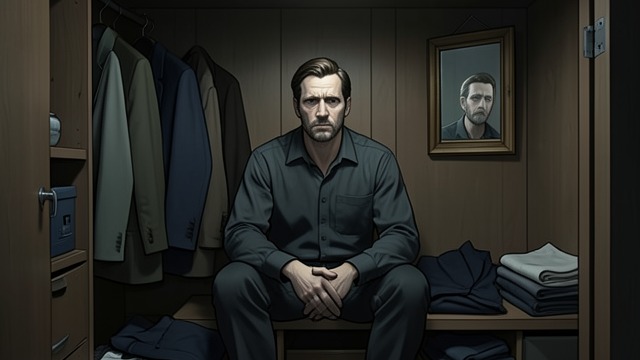
The Closet Retreat
A shrinking refuge
After Theodore Finch is expelled and takes sleeping pills, he withdraws into Finch's closet, arranging a small space where he can limit noise and contact.
Signs noticed too late
Violet Markey visits and sees how isolated he has become. Finch can speak of black moods but resists her suggestion to involve other people.
The fort offers short-lived comfort while making his worsening crisis harder for others to see.
The Last Journey
The Last Journey
Farewell signals
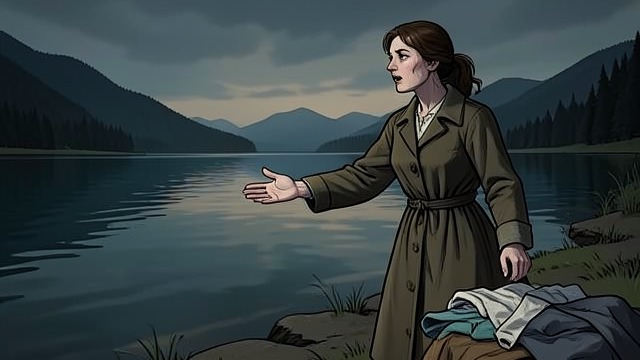
Theodore Finch sends cryptic messages and checks in with family and friends, but does not tell Violet Markey where he is. She later follows clues connected to their shared wanderings.
The Blue Hole
Violet finds his neatly placed clothes beside the water and calls for help after searching the lake herself. His death resolves the crisis without explaining all his intentions.
The ambiguity preserves the novel’s central painful fact: his illness was real, and love alone could not keep him alive.
First week of January
Early January, after the tower incident
Mid-February, on the first warm day
March, after his expulsion
Late April
